Naming the Plow, Adopting the Drain: Small Programs That Made Infrastructure Personal
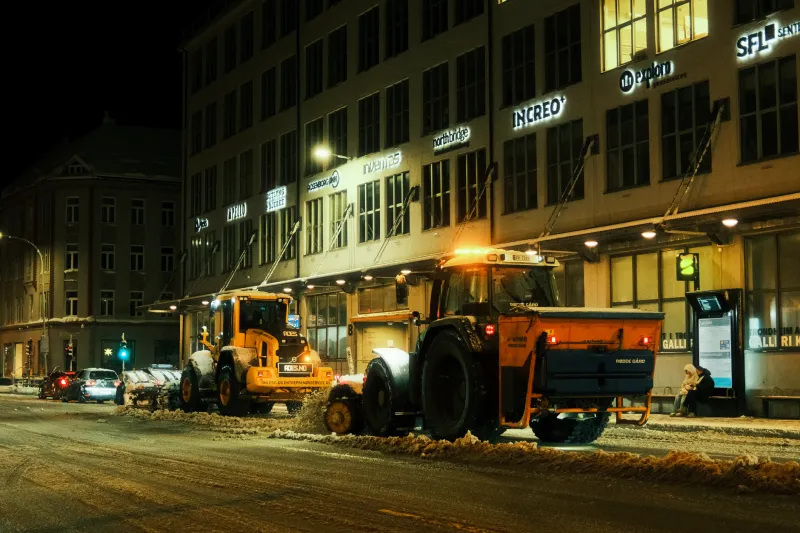
Not every civic engagement breakthrough requires a task force. Sometimes it requires a snowplow named Betty White's Sweeper Side.
Over the past decade, a quiet wave of playful public works programs has swept through American municipalities, and the results have surprised even the officials who launched them. The common thread: make a resident's relationship to infrastructure personal, and maintenance reporting follows.
The Programs That Worked
Snowplow naming contests. Dozens of cities and state DOTs — following the lead of Scotland's famously creative plow names — have let residents vote on names for their fleet. Minnesota, Ohio, and several New England towns turned it into an annual tradition. The payoff is more than a laugh: plows acquire public identities, residents track "their" plow on live maps, and reports of un-plowed streets arrive faster and in greater detail.
Adopt-a-drain signups. Cities including South Bend, Indiana, and a cluster of municipalities in the Bay Area let residents "adopt" the storm drain nearest their home, pledging to clear leaves and debris before heavy rain. Programs report thousands of signups within months of launch — and a corresponding drop in localized flooding complaints, since clogged drains are caught before the storm instead of after.
Adopt-a-hydrant and paint-a-fireplug efforts have given neighborhoods a stake in visibility, while "report a pothole" photo contests — awarding a small prize for the week's most photogenic street damage — have turned complaint filing into something closer to a game than a grievance.
Crosswalk and mural sponsorships in a few cities let businesses or school groups sponsor repainting, with the sponsor's name stenciled discreetly at the curb. Maintenance stops being invisible when someone's name is on it.
Interactive streetlight and pothole maps, where residents see their report appear publicly and watch its status change, convert the black box of 311 into a shared scoreboard.
Tree-planting adoption programs round out the list: residents water and monitor young street trees, and mortality rates for new plantings drop sharply compared to unattended plantings.
Why Whimsy Outperforms Brochures
The mechanism is simple psychology. A storm drain is anonymous; "your" storm drain is not. A plow is a machine; "Betty White's Sweeper Side" is a character with a route. Naming and adoption create ownership, and ownership creates vigilance. Residents who feel responsible for a asset report its failures — earlier, more accurately, and more often.
There is a fiscal argument too. Every clogged drain cleared by a resident before a storm is a flood response the city never has to fund. Every pothole reported in week one is a repaving in week one rather than a reconstruction next year. These programs cost almost nothing — a web form, a certificate, a press release — and generate labor the city could never buy.
How to Pitch It at Home
Residents who want one of these programs in their own city should start small and specific:
- Pick the cheapest program first. A drain adoption program requires little more than a signup map and a marketing push. Lead with it.
- Find a champion inside public works. Email the department director or deputy with a one-page memo citing a peer city by name and, where possible, its numbers. Bureaucrats love proof it worked somewhere else.
- Offer to do the legwork. Volunteer groups can draft press releases, design certificates, and promote the launch. Departments rarely decline free capacity.
- Ask for measurement. Request that the city track signups and reporting volume for six months, so the program can be judged on data rather than vibes.
- Show up and say it publicly. Two minutes of public comment proposing a named program — with the peer city's results in hand — is often all it takes to get an item on a work plan.
Infrastructure does not have to be invisible until it fails. The cities proving that are not the largest or the richest. They are the ones willing to let residents name a plow — and then hold the city to the standard that name implies.